
Top Innovations in Disability Support Services: Enhancing Independent Living
Introduction to Innovations in Disability Support
In recent years, technological advancements and innovative solutions have significantly transformed the landscape of disability support services. These innovations are designed to enhance independent living, offering individuals with disabilities greater autonomy, accessibility, and quality of life. As we explore these groundbreaking developments, it becomes clear that the commitment to inclusivity and empowerment is stronger than ever.

Smart Home Technology
Revolutionizing Daily Life
Smart home technology has emerged as a game-changer for individuals with disabilities. These technologies offer a myriad of benefits, from voice-activated systems that control lighting, temperature, and security to automated appliances that simplify daily tasks. With these tools, individuals can enjoy a more comfortable and self-sufficient lifestyle.
Integration and Accessibility
The integration of smart home technology with devices like smartphones and tablets ensures that users have control over their environment at their fingertips. Many companies are also prioritizing accessibility in their designs, ensuring that these technologies cater to a wide range of disabilities.
Assistive Devices and Robotics
Empowering Mobility and Autonomy
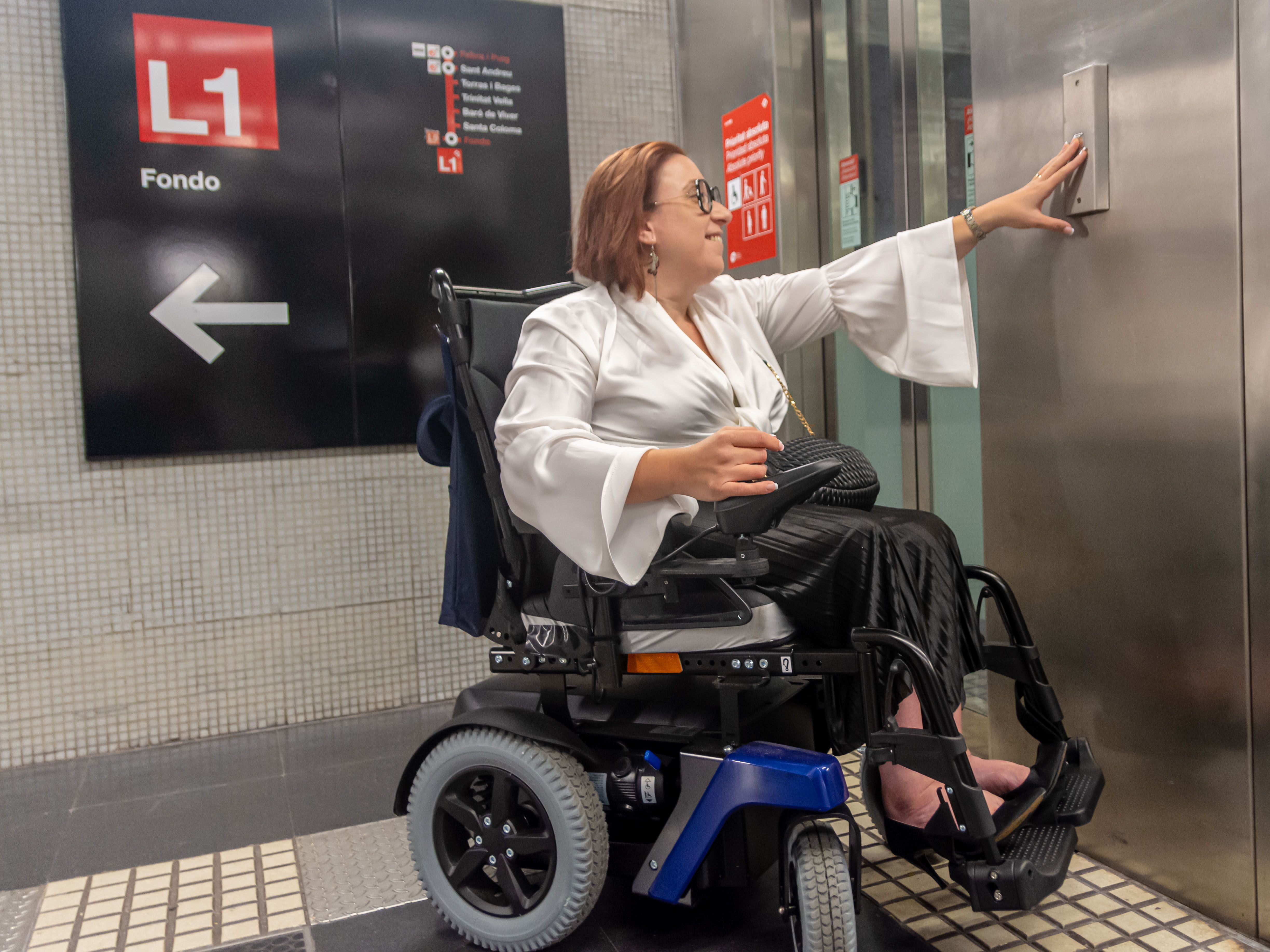
Advancements in assistive devices and robotics have provided remarkable support for individuals with mobility challenges. From advanced wheelchairs to exoskeletons, these technologies enable greater independence and freedom of movement. Such devices are not only improving mobility but are also boosting confidence and encouraging social participation.
Customized Solutions
One of the key trends in this area is customization. Manufacturers are increasingly offering tailored solutions that meet the specific needs of individuals, ensuring that each device maximizes its potential for the user. This personalized approach is making a significant impact on the quality of life for many.
Innovations in Communication
Breaking Barriers with Technology
Communication is a fundamental aspect of independent living, and recent innovations have made significant strides in this area. Speech-generating devices and apps have revolutionized how individuals with speech impairments interact with the world around them. By facilitating seamless communication, these tools are breaking down barriers and opening up new opportunities for engagement.

Augmentative and Alternative Communication (AAC)
AAC technologies are another critical innovation, providing those with language difficulties a platform to express themselves effectively. These systems are continually evolving, offering more intuitive interfaces and expanding the possibilities for users to connect with others.
The Role of Artificial Intelligence
Enhancing Personalization and Support
Artificial intelligence (AI) is playing an increasingly vital role in disability support services. AI-powered applications can analyze user behavior and preferences to offer personalized recommendations and assistance. This level of customization ensures that support is not only effective but also tailored to individual needs.
Moreover, AI is being integrated into various assistive technologies, enhancing their capabilities and providing users with smarter, more responsive solutions. This integration is paving the way for a future where support services are more adaptive and intuitive than ever before.
Conclusion: A Future of Empowerment
The innovations in disability support services are paving the way for a future where independent living is more accessible and achievable for everyone. As technology continues to advance, it holds the promise of even greater improvements in the quality of life for individuals with disabilities. By harnessing these cutting-edge solutions, society can continue to foster an environment where inclusivity and empowerment are at the forefront.